When the Green Bay Packers confirmed plans to reintroduce a cheerleading squad after nearly four decades, the reaction was immediate, emotional, and deeply divided across fans and analysts alike.
For a franchise long defined by tradition, community ownership, and a unique identity, the decision represents more than a simple addition to game-day entertainment, it signals a potential cultural shift.
Supporters of the move argue that the Green Bay Packers are embracing modernization, adapting to a changing sports landscape where fan engagement extends far beyond the field itself.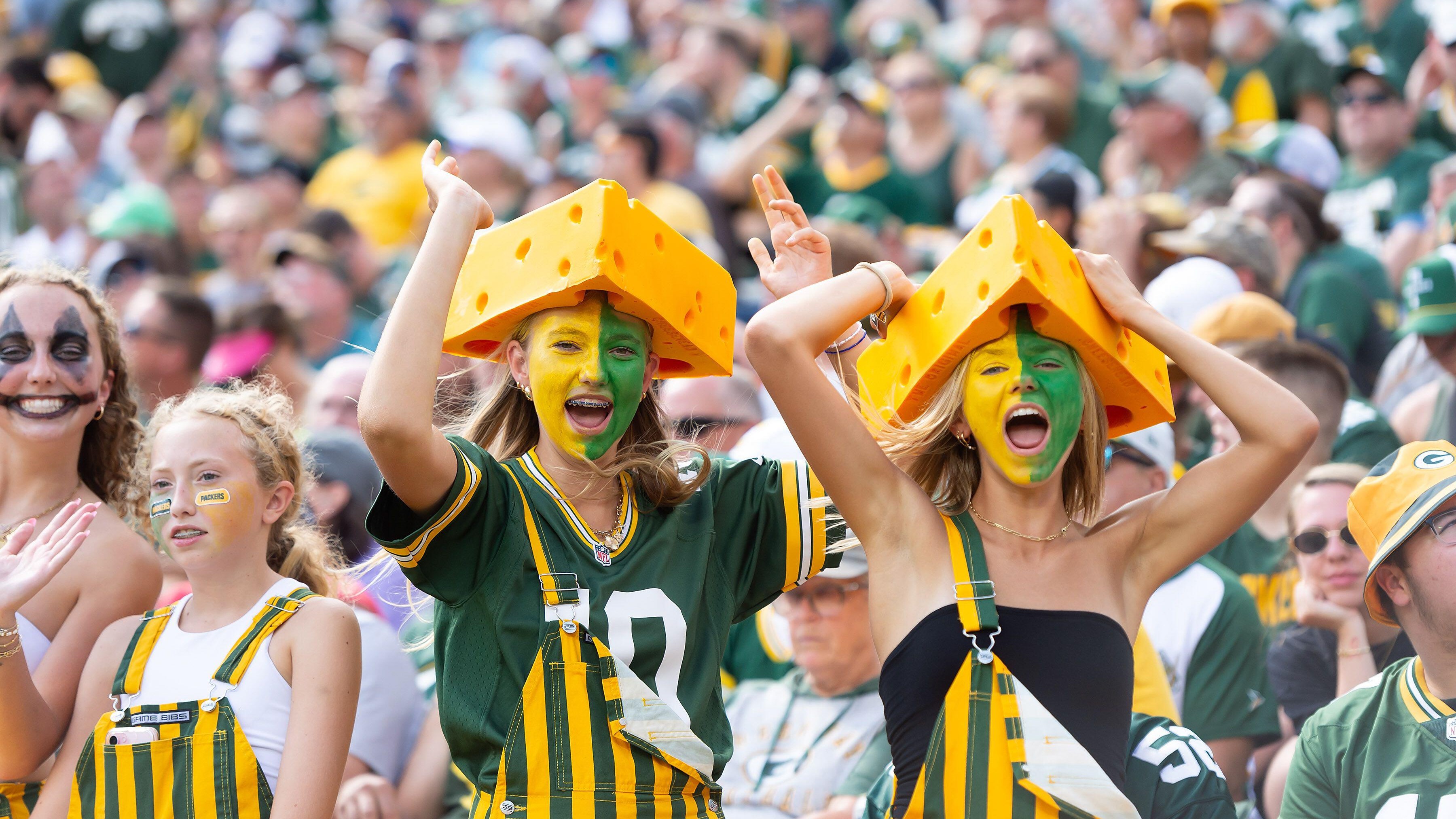
They see the return of cheerleaders as a way to enhance the stadium atmosphere, create new opportunities, and connect with younger audiences in a more dynamic and visually engaging way.
For these fans, evolution is not a betrayal of tradition, but a necessary step to remain relevant in an increasingly competitive entertainment environment.
However, critics view the decision through a different lens, questioning whether it aligns with the values that have defined the franchise for generations.
They argue that the absence of a cheerleading squad was part of what made the Green Bay Packers unique, a symbol of authenticity in a league often driven by spectacle.
To them, the reintroduction risks diluting that identity, replacing something distinctive with a more standardized, league-wide approach to game-day presentation.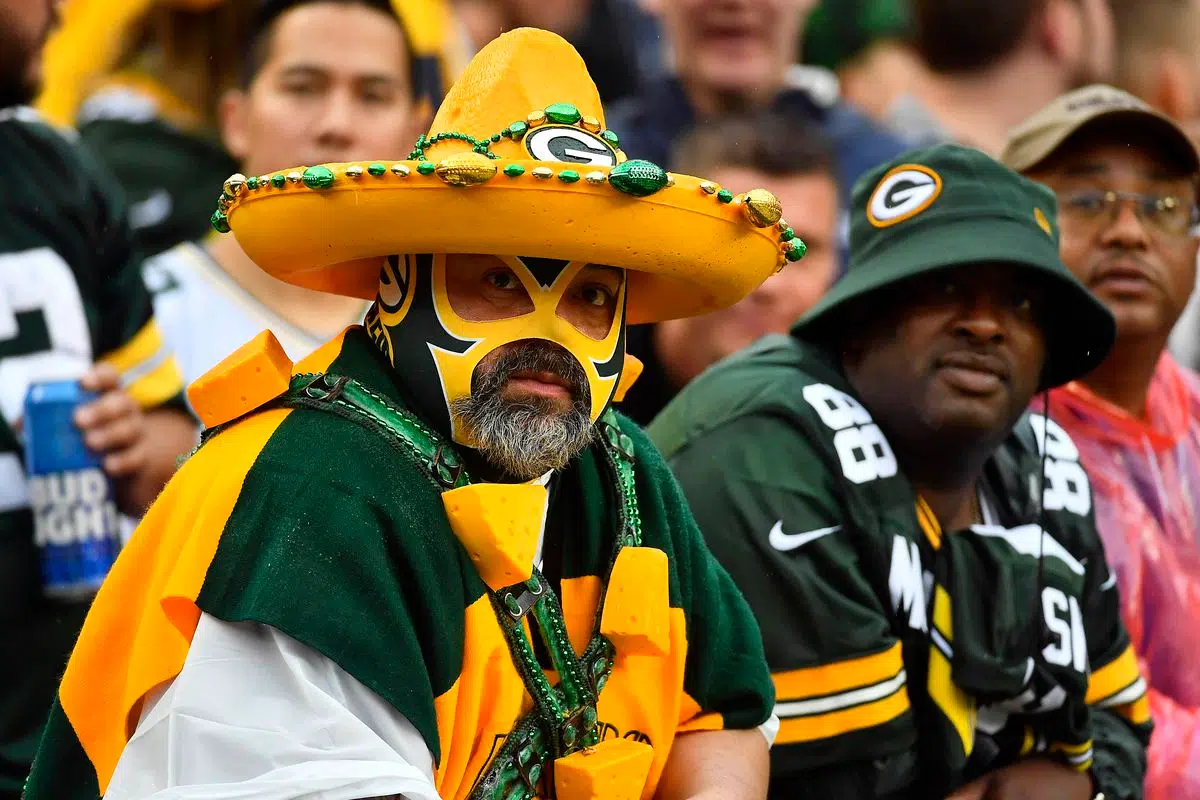
This tension between tradition and change lies at the heart of the debate, shaping how the decision is interpreted and discussed.
What does it mean to preserve identity in a world that is constantly evolving, and how do organizations balance heritage with innovation?
For the Green Bay Packers, these questions are particularly significant, given their history and the deep connection they share with their community.
Unlike many franchises, the team’s identity is closely tied to its fans, who are not just supporters but stakeholders in its success and direction.
This unique structure adds another layer to the conversation, as decisions are viewed not only as business moves, but as reflections of collective values.
The return of cheerleaders has also sparked discussion about representation, opportunity, and the evolving role of performance in sports culture.
Some see it as a chance to provide new platforms for talent, creativity, and community engagement, expanding the ways in which people can participate in the game-day experience.
Others question whether such roles reinforce outdated perceptions or distract from the core elements of the sport itself.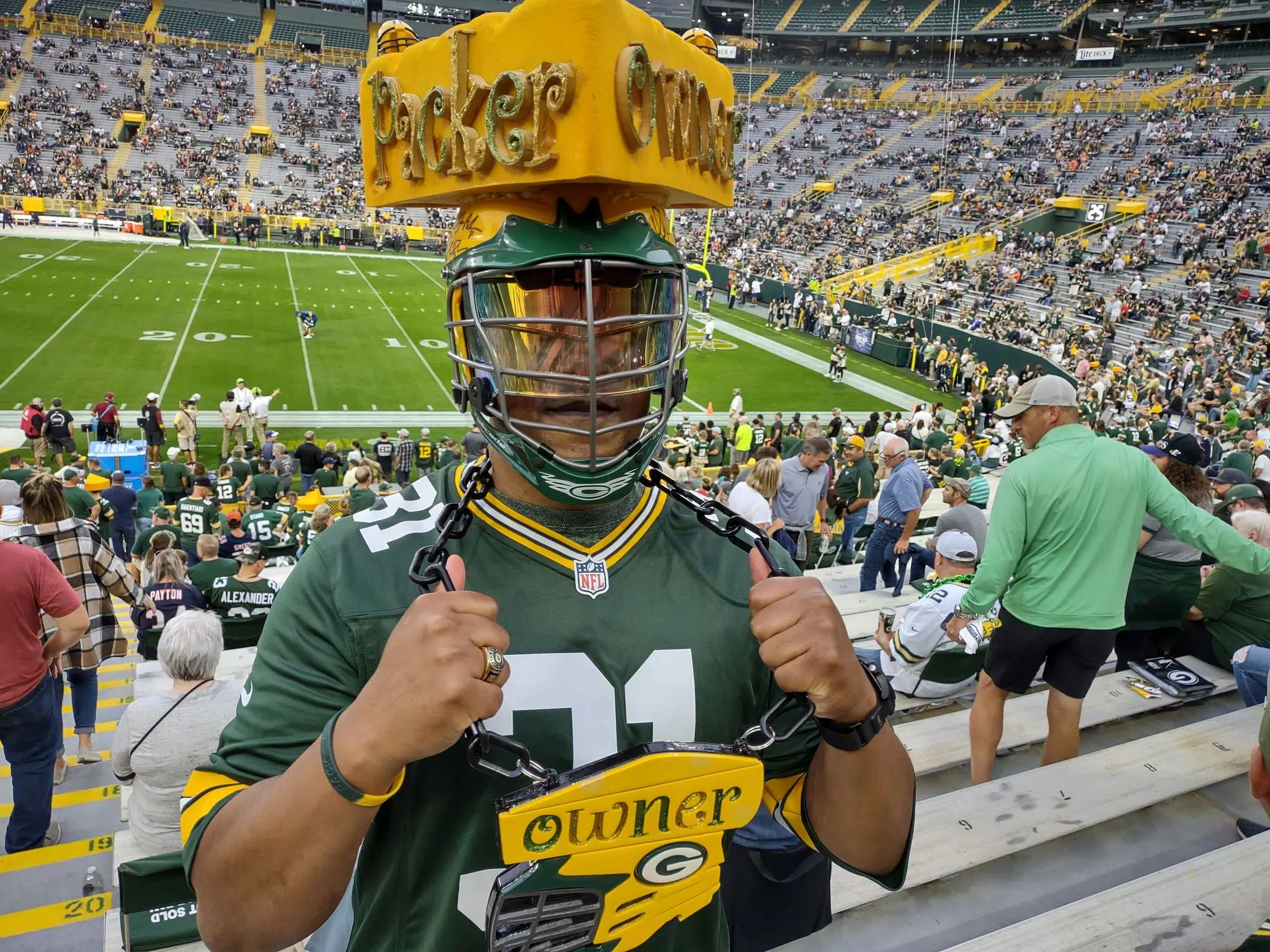
These differing perspectives highlight the complexity of the issue, showing that it cannot be reduced to a simple question of right or wrong.
Instead, it reflects broader societal conversations about change, identity, and the ways in which traditions are adapted over time.
For many fans, the decision has prompted reflection on what they value most about the Green Bay Packers experience.
Is it the purity of the game, the connection to history, or the energy and excitement of a modern entertainment environment?
This introspection has led to passionate discussions, with individuals sharing their perspectives and engaging in meaningful dialogue.
Social media has amplified these conversations, turning them into a global debate that extends far beyond the boundaries of Green Bay.
Clips, opinions, and reactions are being shared rapidly, creating a dynamic and evolving narrative that captures attention and encourages participation.
This level of engagement demonstrates the power of sports to spark conversation, bringing people together to discuss issues that resonate on multiple levels.
At the same time, it highlights the challenges organizations face in navigating diverse and sometimes conflicting expectations.
Every decision carries implications, influencing not only immediate reactions but also long-term perceptions and identity.
For the Green Bay Packers, the introduction of cheerleaders represents an opportunity to redefine aspects of the game-day experience while maintaining core values.
How this balance is achieved will play a significant role in shaping the outcome of the decision and its reception among fans.
It will require careful consideration, thoughtful implementation, and ongoing dialogue with the community.
This process itself is an important part of the story, demonstrating a willingness to engage with change while respecting tradition.
For younger fans, the move may feel natural, aligning with expectations shaped by exposure to other teams and sports environments.
For longtime supporters, it may require adjustment, challenging them to reconcile new elements with established perceptions.
This generational dynamic adds another layer to the conversation, highlighting how perspectives evolve over time.
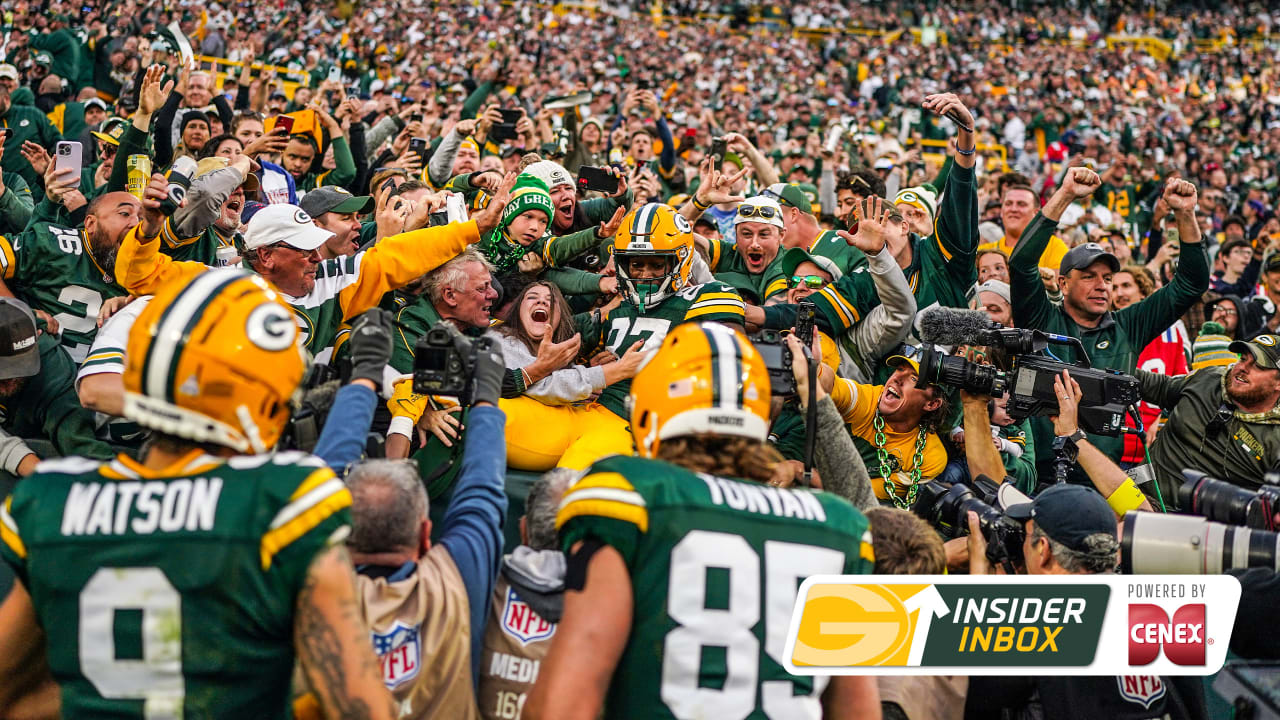
It also underscores the importance of inclusivity, ensuring that different voices are heard and considered in the decision-making process.
Beyond the immediate context, the story reflects broader trends within the NFL and professional sports as a whole.
Teams are increasingly exploring ways to enhance fan engagement, leveraging entertainment, technology, and cultural elements to create more immersive experiences.
This trend raises questions about the future of sports, particularly how the balance between competition and entertainment will continue to evolve.
Will the essence of the game remain central, or will it become one component of a broader entertainment package?
For the Green Bay Packers, this decision places them at the intersection of these trends, offering a case study in how tradition-rich organizations navigate change.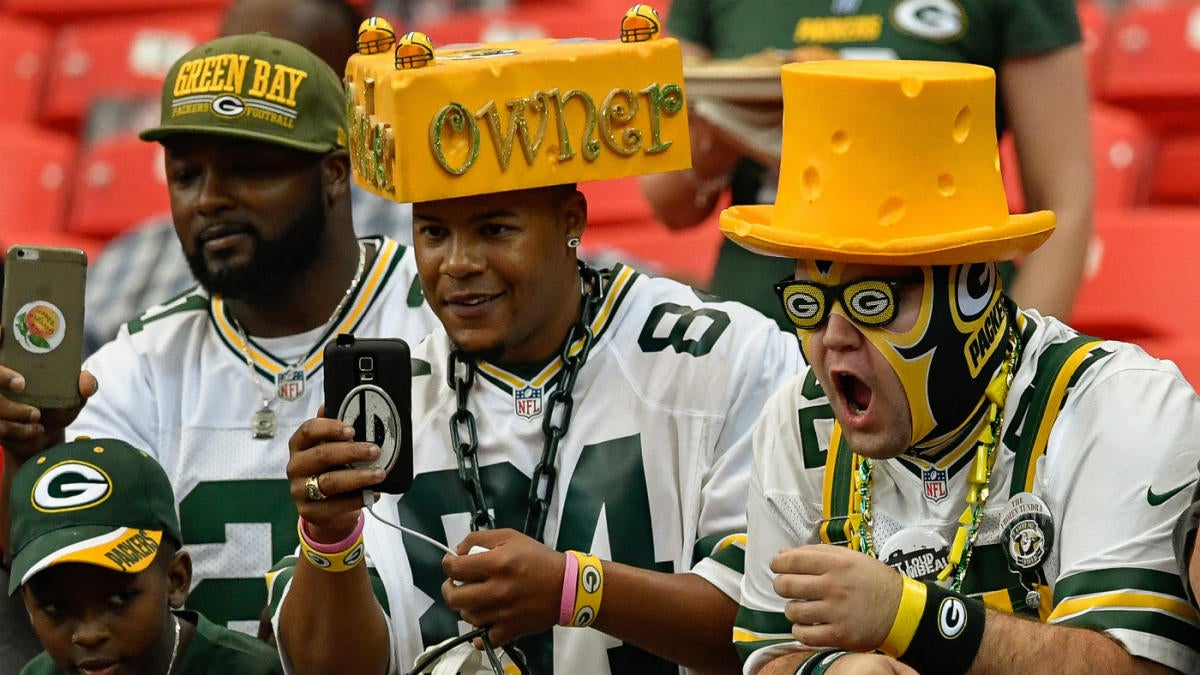
The outcome will likely influence not only their own trajectory, but also how other teams approach similar decisions.
As the conversation continues, the story has become more than a single announcement, evolving into a platform for reflection, debate, and engagement.
Fans are not just reacting, they are participating, shaping the narrative through their perspectives and interactions.
This participatory dynamic is one of the defining features of modern sports culture, where audiences play an active role in shaping meaning.
In the end, the return of cheerleaders to the Green Bay Packers is about more than entertainment, it is about identity, evolution, and the choices that define an organization.
It challenges fans to consider what they value, how they adapt to change, and what they hope to see in the future of the teams they love.
And perhaps most importantly, it reminds everyone that even the most established traditions are not static, but living elements that evolve with time and perspective.